Blank Label Frame Template with Elegant Graphics
First Impression: Refined, Warm, and Instantly Trustworthy
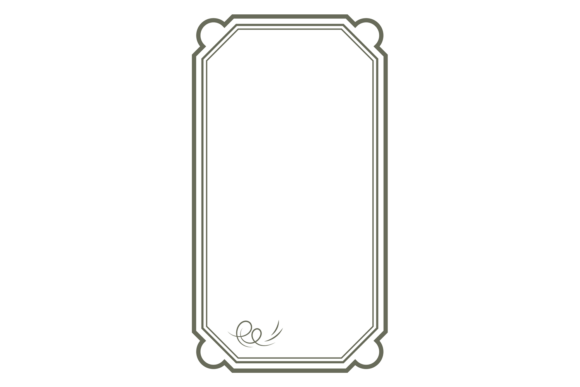
When I opened Blank Label Frame Template with Elegant for the first time, my designer instinct lit up—not with flash, but with quiet confidence. The decorative corners are delicate but intentional, balanced between classic symmetry and contemporary lightness. It doesn’t shout; it invites. That’s rare in today’s oversaturated visual landscape. For a small business launching handmade botanical teas or an online coach rolling out a new digital product, this frame sets an immediate tone: thoughtful, elevated, human-centered. It leans into warmth without sacrificing polish—ideal for lifestyle content, editorial design, or premium packaging accents where audience trust hinges on perceived care and consistency.
Where It Shines: Real Campaigns, Real Results
I recently used Blank Label Frame Template with Elegant to build a cohesive content kit for a seasonal launch—think Instagram carousels, Pinterest-ready blog graphics, and printable promo cards for a subscription box brand. Its versatility across formats (EPS, JPG, SVG, transparent PNG) meant zero asset-switching fatigue. In Canva templates, the SVG scaled flawlessly for hero banners; the transparent PNG layered cleanly over textured backgrounds in email banners; the EPS held crisp detail for print-ready packaging inserts. As a graphic design asset, it reinforced visual hierarchy without competing with copy—framing headlines and product shots while guiding the eye naturally. It worked beautifully in social media graphics for Instagram posts and Facebook ads, especially when paired with soft serif fonts and muted earth tones. On Pinterest pins? It added just enough structure to stand out in feeds without looking rigid or corporate.
Brand Identity & Packaging Design: Subtle But Strategic
This isn’t a logo—it’s a branding amplifier. When placed beside a minimalist logo or integrated into product label layouts, Blank Label Frame Template with Elegant adds dimension and intentionality. For small business branding, that subtle framing signals professionalism without cold formality. I tested it alongside hand-drawn script fonts (for artisanal appeal) and clean sans serifs (for modern clarity)—both worked. Even better: it anchored editorial design for a client’s media kit, giving their lead magnets and pitch decks a unified, magazine-quality rhythm. As a printable design, it elevated simple PDF checklists and workshop workbooks—transforming functional documents into branded experiences.
Marketing Goals It Actively Supports
- Stronger first impression: Adds instant visual cohesion to otherwise flat campaign headers or digital ads.
- Clearer visual hierarchy: Creates natural focal zones for headlines, CTAs, or product imagery.
- More consistent branding: Serves as a repeatable decorative element across web design, email banners, and social media graphics.
- Better product presentation: Elevates digital product visuals and merchandise mockups with refined framing.
- Improved audience trust: Signals attention to detail—a subconscious cue of credibility for new customers.
- Stronger recognition: Becomes a signature touch when reused across content bundles or seasonal campaigns.
Best Fit: Contexts Where Elegance Amplifies Intent
Blank Label Frame Template with Elegant thrives where atmosphere matters: hero graphics for landing pages, campaign headers for product launches, branded Canva templates for teams, social media covers with layered depth, packaging accents that whisper luxury, content bundles sold in creative marketplaces, promotional banners for wellness or education offers, editorial layouts for newsletters, and decorative brand elements like sticker sheets or digital planner inserts. As an illustration, it bridges fine art sensibility and commercial design practicality—making it equally at home in a boutique’s Instagram story and a publisher’s ebook cover.
Use With Intention: Situations to Navigate Thoughtfully
This is not a universal tool—and that’s its strength. Avoid using Blank Label Frame Template with Elegant in formal corporate branding (e.g., financial services or legal firms), dense information layouts (like comparison tables or data-heavy infographics), or small mobile graphics where decorative corners lose legibility. It can clash with overly minimal brands that rely on stark negative space, and it risks visual competition in text-heavy ads or low-contrast backgrounds. If your core message needs absolute dominance—skip the frame. Let it serve, not steal.
Pro Designer Notes: Before You Drop It Into Your Workflow
- Test it against your full brand color palette—not just primary hues, but neutrals and accent tones.
- Check black-and-white usage: does it retain elegance in monochrome? (It does—but verify with your specific contrast needs.)
- Drop it into real campaign mockups: website headers, Instagram post templates, and email previews—not just isolated previews.
- Preview on mobile screens: decorative corners should remain legible at ⅔ size.
- Test readability of overlay text in small sizes—especially with script or handwritten fonts inside the frame.
- Compare side-by-side with top competitor visuals: does it feel distinct yet aligned with category expectations?
- Review spacing and balance: does it breathe with your typography, or crowd key messaging?
- Confirm commercial license status before deploying in paid campaigns, client deliverables, or any digital product you sell.
Final Take: A Quiet Powerhouse for Purpose-Driven Brands
Blank Label Frame Template with Elegant isn’t flashy—but in marketing, restraint often resonates deepest. It supports content marketing that values clarity over clutter, professional branding that feels human, and creative design that serves strategy first. Whether you’re a blogger building a content library, a digital seller refreshing a design bundle, or a creative entrepreneur launching your first product line, this illustration delivers quiet authority. It’s a reminder that sometimes, the most effective graphic design asset isn’t what draws the eye first—but what makes the eye stay, trust, and return.