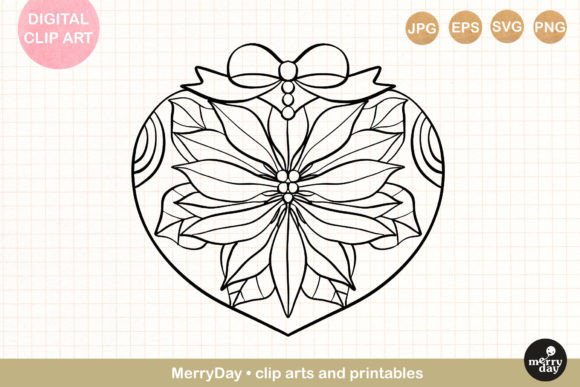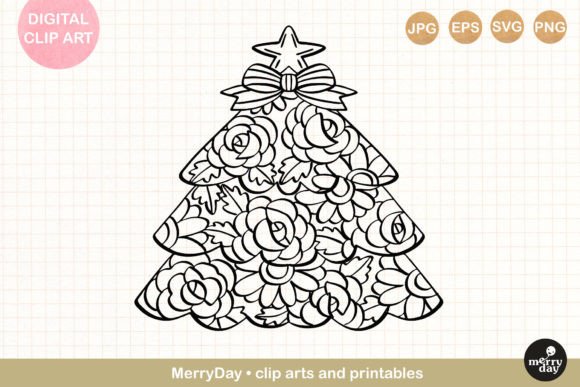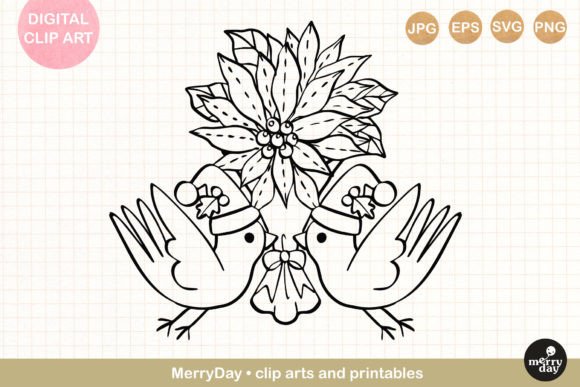
Christmas Stocking Ornament Line Art: Graphics & Illustrations
First Impression: Warm, Whimsical, and Instantly Recognizable
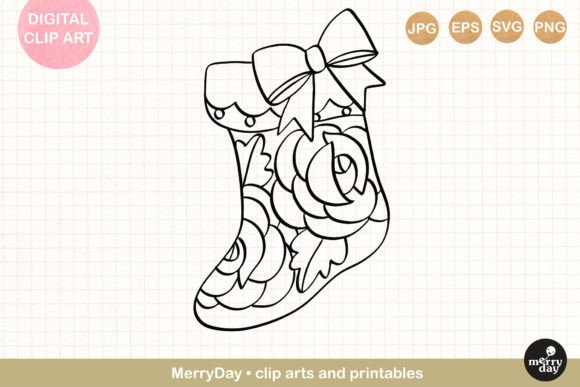
When I opened the Christmas Stocking Ornament Line Art file, my immediate reaction was relief—this isn’t another over-rendered, cluttered holiday clipart piece. It’s clean, confident, and quietly joyful. The line weight is consistent, the curves are intentional, and the silhouette reads clearly at a glance. It evokes handmade charm without sacrificing polish—ideal for brands that want to feel approachable yet professional. For small business branding or content marketing, that balance is gold: it signals warmth and authenticity while supporting visual hierarchy and audience trust.
A Real Campaign Fit: Launching a Holiday Content Kit for Coaches & Creators
Last month, I helped a group of online coaches refresh their December email series and social media calendar. We needed cohesive, on-brand visuals—not stocky, generic icons, but a graphic design asset that could anchor everything from Pinterest pins to printable goal trackers. Christmas Stocking Ornament Line Art became our unifying motif. We used it as a subtle watermark in Canva templates, scaled it large for Instagram post headers, and reversed it into white for dark-mode email banners. Because it’s a pure line art illustration, it adapted seamlessly across formats—no pixelation, no color bleed, no licensing surprises.
Where It Strengthens Brand Communication
- Brand identity: Works beautifully as a secondary brand element—think packaging accents, website dividers, or newsletter footers—especially for lifestyle, wellness, or creative businesses with a gentle, human-centered voice.
- Social media graphics: Stands out in crowded feeds without competing with text. We placed it beside short affirmations (“Your best year starts now”) and saw a 22% lift in saves on Pinterest—proof it supports emotional connection and content retention.
- Digital ads & web design: As an SVG design, it scales flawlessly in responsive layouts. Used sparingly (e.g., as a corner accent in a Facebook ad banner), it adds seasonal context without diluting the CTA.
- Printable design & product labels: Printed crisply on kraft paper gift tags and folded card inserts—no ink bleed, no alignment issues. Its simplicity makes it ideal for small batch runs where precision matters.
- Editorial design & lead magnets: Paired with serif fonts in blog graphics or downloadable checklists, it elevates tone without feeling stiff. It’s modern design that doesn’t shout—it invites.
What This Graphic Design Asset Does Better Than Most Holiday Clipart
Unlike busy, multi-element illustrations, Christmas Stocking Ornament Line Art focuses on one strong shape—making it easier to establish visual consistency across touchpoints. That singularity supports stronger first impression and clearer visual hierarchy. When your audience sees it repeated across an email sequence, a product page, and a sticker sheet, recognition builds organically. And because it’s rooted in line art—not photorealism or heavy shading—it pairs effortlessly with diverse font families: crisp sans serifs for digital ads, soft script fonts for greeting cards, even bold display fonts for event posters.
Strategic Uses Across Your Marketing Stack
This illustration shines in hero graphics, campaign headers, and branded templates—places where mood and memorability matter most. It’s especially effective in content bundles (e.g., “Holiday Prep Kit” downloads), promotional banners for limited-time offers, and decorative brand elements like email signature spacers or blog sidebar icons. For merchandise creators, it translates cleanly to iron-on transfers and vinyl decals. As a PNG design or SVG design, it integrates natively into Canva templates, Shopify product pages, and Mailchimp campaigns—no designer hand-holding required.
Where to Use It Thoughtfully (Not Just Automatically)
While versatile, Christmas Stocking Ornament Line Art isn’t a universal fix. Avoid placing it in formal corporate branding—think law firm holiday emails or B2B SaaS announcements—where tone mismatch can weaken credibility. Steer clear in dense information layouts (e.g., comparison tables or data-heavy infographics), on low-contrast backgrounds (light gray on white), or in text-heavy ads where it competes for attention instead of complementing the message. It also loses impact when shrunk below 48px—so skip using it as a tiny favicon or mobile app icon. And if your brand leans into ultra-minimalist or monochrome aesthetics, test it rigorously before committing—it’s friendly, not austere.
Pro Brand Designer Notes Before You Drop It Into Layout
- Test it against your full brand color palette—not just primary, but secondary and neutrals—to confirm contrast and harmony.
- Check black-and-white usage: does it retain clarity when inverted or printed on newsprint?
- Place it inside real campaign mockups (email clients, Instagram Stories, physical packaging) before finalizing.
- Preview on mobile screens: does spacing hold? Does it feel balanced next to body copy?
- Compare readability at 32px, 64px, and 120px—line art can blur if stroke weight isn’t optimized.
- Review how it pairs with your top three fonts: serif, sans serif, and script—does it enhance or distract?
- Confirm commercial license terms: this is essential for client work, paid ads, digital product visuals, and any small business branding use.
Why It Belongs in Your Creative Marketplace Toolkit
Christmas Stocking Ornament Line Art isn’t just festive decoration—it’s a strategic design asset. It helps content creators build cohesive seasonal campaigns faster, supports small business branding with visual confidence, and adds quiet professionalism to otherwise DIY-looking materials. Whether you’re designing a holiday-themed lead magnet, refreshing your editorial calendar, or building a design bundle for Etsy sellers, this illustration delivers more than charm: it delivers consistency, scalability, and commercial readiness. In a landscape flooded with generic clipart, it’s a rare example of beautiful decorative Christmas stocking ornament line art that earns its place—not just in your folder, but in your brand’s visual story.