Decorative Owl: A Designer’s Real-World Embroidery Review
First Impressions: Charm Without Clutter
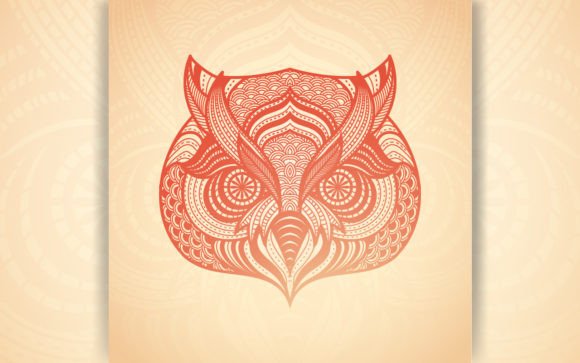
When I opened Decorative Owl for the first time, I wasn’t looking for whimsy—I was scanning for embroidery viability. And it delivered: clean outlines, intentional negative space, and a gentle, approachable silhouette that reads instantly at 3–4 inches tall. It doesn’t scream “cute”—it leans into quiet confidence. The wings are subtly layered, the eyes hold shape without fine linework, and the overall composition feels balanced—not too top-heavy, not too squat. That matters. On a baby onesie or a linen tea towel, this owl won’t tip the visual scale. It belongs in Crafts because it’s crafted with restraint, not just filled with detail.
A Real Project Test: Embroidering a Linen Tote for a Local Boutique
Last week, I prepped Decorative Owl for a custom run of embroidered linen tote bags—small shop product, no mass production, all stitched on a mid-range commercial machine. The goal? A finished product that feels handmade but polished enough for a curated gift shop shelf. I chose a 3.5-inch height, centered on the bag’s front panel. What stood out immediately was how well the design translated from screen to stitch: no jagged edges, no ambiguous curves. The beak and feather contours held up beautifully in satin stitch, and the wing details resolved cleanly even at moderate stitch density. Customers who saw the mockup responded to its warmth—not “cartoonish,” not “stiffly formal.” Just right for a boutique branding touch or a personalized gift.
Where It Shines (and Where It Needs Care)
- Custom apparel: Works cleanly on sweatshirt embroidery and lightweight t-shirts—especially with light stabilizer and medium-density fill stitch. Avoid overloading the chest pocket area; the owl’s width fits neatly within standard hoop limits.
- Baby embroidery: Its soft angles and open shapes make it ideal for onesies and burp cloths. No tiny interior cutouts to snag thread or frustrate your needle.
- Embroidered patch: Clean outer edge = easy peel-and-stick backing. Great for craft fair merch or DIY kits.
- Holiday embroidery & nursery decor: Paired with muted greens or warm ochres, it reads cozy—not seasonal-specific—so it sells year-round.
- Dark fabric: Holds contrast well, but test thread colors first. A matte black thread on charcoal twill gave richer depth than glossy polyester.
Watch These Details Before You Stitch
Decorative Owl is forgiving—but not magic. On stretchy fabric like cotton jersey, I added tear-away + cut-away stabilizer combo to prevent puckering around the eye circles. On curved surfaces (like a cap front), I reduced stitch density by 10% and shortened jump stitches manually—those subtle wing tips can distort if tension isn’t dialed in. Also: avoid using it below 2.2 inches on textured fabrics. The feather layering blurs on heavy canvas or looped terry cloth. And while it’s not an applique design, don’t force dense fill stitch into the eye whites—they’ll look muddy. A simple running stitch outline or open satin works better.
How It Elevates Your Finished Product
This isn’t just another digital embroidery file—it’s a subtle brand amplifier. When I used Decorative Owl on a set of kitchen towels for an Etsy seller, buyers commented on “the calm vibe” and “how nicely it stitched.” That’s value you can’t fake: clarity in execution builds customer trust. For handmade product listings, it adds polish without overshadowing the maker’s voice. On personalized gifts—say, a child’s name + owl on a pillow cover—it balances playfulness and craftsmanship. And for craft business owners building cohesive collections, its graphic simplicity means it pairs effortlessly with coordinating fonts or botanical motifs in printable mockups.
Designer Notes You’ll Actually Use
- Always test Decorative Owl on scrap fabric *first*—especially if stitching on dark or textured material.
- Check thread color contrast in both natural and artificial light. Some grays read flat under store lighting.
- Review stitch density: high fill = rich texture but longer sew time and more thread wear. Adjust for commercial embroidery volume.
- Confirm hoop size compatibility before digitizing—some versions may require repositioning for smaller hoops (under 4×4”).
- Inspect small details in black-and-white mockups. Does the eye shape still read clearly without color cues?
- Compare performance on light vs. dark fabric backgrounds. What reads as “soft” on ivory may vanish on navy without adjusted underlay.
- Use proper stabilizer—lightweight cut-away for knits, medium-weight tear-away for stable wovens like linen or quilting cotton.
- Verify licensing terms before selling finished items or bundling Decorative Owl as part of a digital product. Not all Graphics licenses permit commercial resale of stitched goods.
Final Thought: A Reliable Design Asset, Not a Trend
I’ve passed on dozens of “owl” designs over the years—too busy, too fragile, too hard to sell. Decorative Owl avoids those pitfalls. It’s not flashy. It doesn’t chase algorithm trends. But it delivers consistent results across embroidery project types: from sweatshirt embroidery to holiday embroidery, from baby embroidery to boutique branding. As a designer and reviewer, I recommend it for anyone building a dependable library of embroidery file assets—not just for today’s craft fair, but for next season’s Etsy refresh, next year’s custom apparel line, or the quiet confidence of a handmade product that looks thoughtfully made, not hastily digitized. It earns its place in the workflow.