Decorative Skull Coloring Page Book
A Designer’s First Look: Bold, Playful, and Surprisingly Versatile
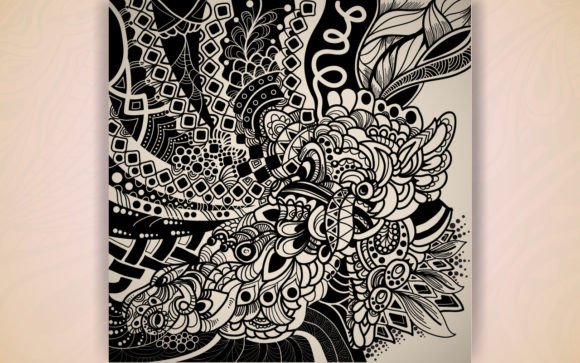
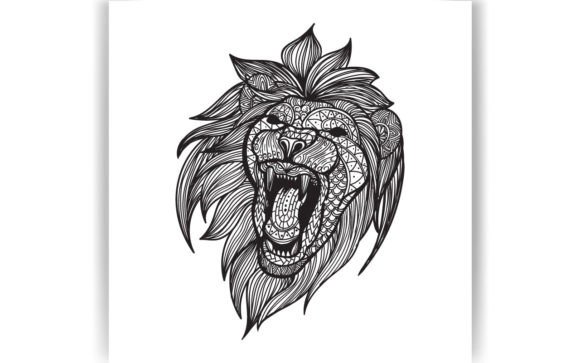
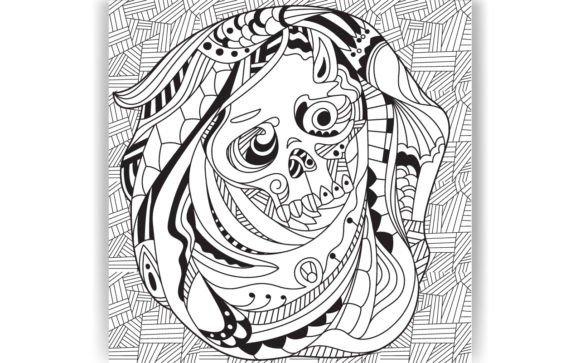
When I opened the Decorative Skull Coloring Page Book files, my first thought wasn’t “spooky”—it was “curious.” The line work is clean and confident, with intentional weight variation that suggests rhythm, not randomness. There’s a strong sense of balance: ornamental flourishes around the eyes and jawline echo each other without competing, and the negative space feels generous—not empty, but purposeful. As an embroidery designer who regularly translates flat graphics into stitched texture, I immediately saw how this would behave under needle and thread. It’s not goth-core or macabre; it’s decorative, approachable, and quietly clever—like a vintage tattoo sketch reimagined for modern crafters.
Real-World Test: Embroidering It on a Linen Tote Bag for a Boutique Launch
Last week, I used one of the designs from the Decorative Skull Coloring Page Book to embroider a medium-weight natural linen tote for a local boutique’s summer collection. We chose a 4-inch hoop and ran it as a fill-stitch design with light satin-stitch outlining on the key contours. The result? Crisp edges, no thread nesting, and zero distortion—even across the subtle curves of the skull’s temples. Customers responded strongly: not just to the motif, but to how *intentional* it looked. That’s the quiet power of this collection—it reads as handmade, not digital. It doesn’t scream “coloring page” in finished form; instead, it lands as thoughtful, curated design.
Where It Shines (and Where It Needs Thought)
The Decorative Skull Coloring Page Book works exceptionally well for:
- Custom apparel: Especially on sweatshirts and structured cotton tees—its open line structure avoids heavy fill density, so it breathes on thicker fabrics.
- Embroidered patches: Clean outlines and moderate detail scale beautifully down to 2.5–3 inches without losing legibility.
- Baby embroidery: Yes—really. When simplified to a single-color outline stitch (running stitch or fine satin), it reads as sweetly graphic, not edgy. Think onesie chest placement or bib corner accent.
- Holiday and gift embroidery: Paired with metallic thread or subtle French knots for “jewels,” it elevates tea towels, pillow covers, and kitchen aprons for Halloween, Day of the Dead, or even quirky birthday gifts.
- Digital product sellers: As design assets, these vector files (EPS, AI, SVG) adapt cleanly to printable mockups—ideal for Etsy sellers previewing embroidered tote bags or sweatshirt listings.
Careful Use Cases: Know Before You Stitch
This isn’t a “drop-in-and-go” file for every surface. Here’s where attention matters:
- Small hoop sizes (under 3 inches): Some motifs include fine inner linework (e.g., floral swirls inside eye sockets). Test those details on scrap fabric first—they may need slight simplification for sub-2.5" applications.
- Textured or stretchy fabric: On terry cloth towels or ribbed knit caps, stabilizer choice is critical. A medium-cutaway plus tear-away combo kept our cap test stable and smooth.
- Dark fabric backgrounds: The original line art assumes contrast. For black or navy garments, verify thread color contrast in your mockup—light grays or creams read softer than expected; off-whites or pale golds added warmth and clarity.
- Curved surfaces: On baseball caps, we resized the skull to 2.75" wide and shifted key anchor points slightly outward—preventing distortion at the crown seam.
- Frequent-wash items: Avoid dense fill areas near high-friction zones (like tote bag handles). Opt for running-stitch outlines or low-density fills there instead.
What It Adds to Your Finished Product—Beyond the Stitch
Using the Decorative Skull Coloring Page Book elevates more than aesthetics—it builds trust. Customers notice when a design feels *designed*, not downloaded. Its balanced proportions and intentional spacing communicate professionalism, especially important for small shop products and personalized gifts. For Etsy sellers, it helps differentiate listings: a hand-embroidered skull on a linen market bag stands out next to generic script fonts or overused clipart. And because the files are vector-based, you’re not locked into one size or format—you can resize for a baby onesie chest or scale up for a large pillow cover, all while maintaining crispness.
Practical Notes Every Embroidery Designer Should Keep Handy
Before stitching your first project with the Decorative Skull Coloring Page Book:
- Test the design on scrap fabric *in your actual garment fabric*, not just muslin.
- Check thread color contrast on both light and dark backgrounds—especially if selling digitally or offering customization options.
- Review stitch density: some motifs use denser fill in central zones—adjust if needed for breathable wearables or delicate fabrics.
- Confirm hoop size compatibility early—some larger compositions may require a 5x7" hoop minimum.
- Inspect small details at 200% zoom: tiny curls, dots, or interior lines may need manual cleanup for embroidery software.
- Run a black-and-white mockup to assess visual hierarchy—does the skull hold focus without color?
- Use appropriate stabilizer: cutaway for knits, tear-away for stable wovens, and fusible + tear-away for lightweight linens.
- Verify licensing terms before using commercially—especially if selling finished embroidered items or reselling digitized versions.
Final Thought: A Quietly Confident Design Asset
The Decorative Skull Coloring Page Book doesn’t try to be everything. It’s not hyper-detailed like mandala files, nor minimal like monogram sets. It occupies a smart middle ground—graphic enough for impact, open enough for interpretation, and versatile enough to feel fresh across tote bags, baby gear, holiday gifts, and boutique merchandise. For craft business owners, Etsy sellers, and embroidery designers building a signature look, it’s less of a “skull design” and more of a reliable, expressive tool—one that supports your voice instead of overriding it. And in today’s crowded handmade market, that kind of thoughtful utility is rare. Treat it right, test it thoroughly, and it’ll earn its place in your go-to design assets folder.