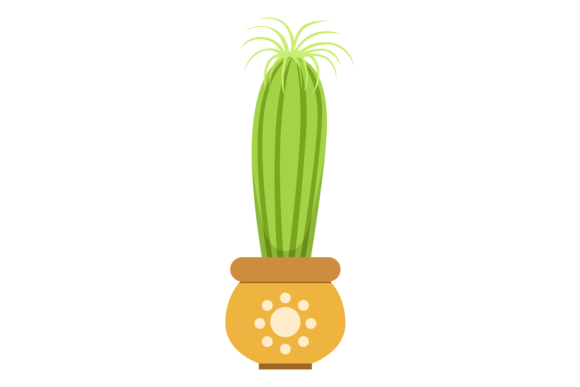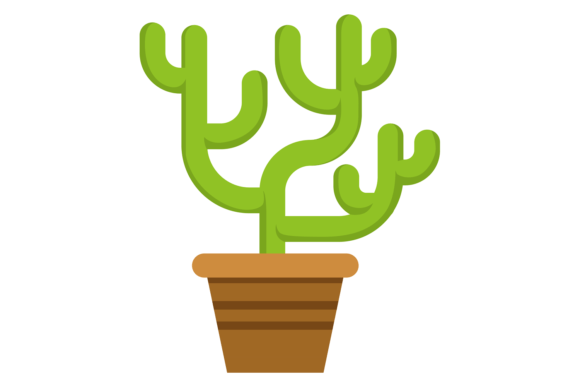
Green Cactus. Cartoon Houseplant Icon.
A Designer’s First Look: Friendly, Clean, and Ready for Stitching
When I opened Green Cactus. Cartoon Houseplant Icon. D, my first thought wasn’t “cute” — it was “practical.” The illustration lands with soft confidence: a rounded, cheerful cactus with subtle ridges, friendly arms, and just enough personality to feel handmade without tipping into clutter. It’s not overly detailed, but it’s not flat either — there’s gentle contouring in the leaves and a slight shadow under the base that gives dimension without demanding precision. As an embroidery designer who tests dozens of graphics each month, I appreciate how clearly this reads at small scale. It doesn’t scream “digital art” — it whispers “embroidered charm,” which is exactly what craft businesses need.
Where This Cactus Actually Belongs in Real Projects
Last week, I used Green Cactus. Cartoon Houseplant Icon. D to mock up a set of embroidered linen tea towels for a local boutique’s spring launch. We paired it with minimalist black thread on oat-colored fabric — and the result felt intentional, warm, and quietly confident. That’s the sweet spot: personalized gifts (think baby onesies with “My First Cactus” stitched beside it), custom apparel like relaxed-fit sweatshirts, or embroidered patches for plant-themed aprons sold at craft fairs. It also works beautifully on tote bags — especially when placed off-center or near a seam, where its clean silhouette holds visual weight without competing with texture or print.
I’ve seen this design shine on nursery decor too — think pillow covers or framed hoop art — because its cartoon style feels nurturing, not childish. And for Etsy sellers? It’s a quiet workhorse. List it as part of a “Botanical Icons Bundle” or pair it with a simple “Grow With Me” phrase for baby shower gifts. Its versatility across product types means one digital embroidery file can support multiple finished products without feeling repetitive.
What Works — and Where to Pause Before You Stitch
Green Cactus. Cartoon Houseplant Icon. D thrives on stable, medium-weight fabrics: cotton twill for patches, midweight knits for sweatshirts, and smooth linen for tea towels or pillow covers. It handles curved surfaces like caps well — the shape is forgiving, with no fine interior corners that snag or distort during hooping. Because it’s isolated on white with transparent PNG support, it drops cleanly into mockups and layout software, making it easy to preview on dark fabric or layered garments before stitching.
That said, use caution with very thin or highly stretchy fabrics — like lightweight jersey or baby rib knit — unless you add light cutaway stabilizer underneath. The outline is clear, but the fill areas could shift if tension isn’t balanced. Also, avoid placing it directly over seams or high-flex zones (like elbow joints on sleeves) without testing stitch density first. Dense fill stitches may stiffen those spots more than intended.
Design Integrity in the Finished Product
What makes Green Cactus. Cartoon Houseplant Icon. D stand out isn’t novelty — it’s consistency. When stitched, it reads as cohesive, not pixelated or over-digitized. Customers notice that. A handmade product with clean lines and balanced proportions signals care — and that builds trust, especially for small shop owners selling on Etsy or at local markets. It also supports brand consistency: whether you’re using it on a patch, a printable mockup for your website, or a holiday embroidery kit, the visual language stays unified.
It’s gift-ready by nature. No harsh edges, no aggressive contrast — just approachable, sunny energy. That matters for wedding favors (“Plant a Memory” tags), teacher appreciation gifts, or even corporate wellness kits. And because it’s rooted in illustration rather than photorealism, it avoids looking dated. It’ll hold up across seasons and trends — a real asset for creative entrepreneurs building long-term design assets.
Practical Notes Every Embroidery Designer Should Check
- Test first — Always run Green Cactus. Cartoon Houseplant Icon. D on scrap fabric matching your final project’s weight and stretch.
- Review thread color contrast — It reads beautifully in kelly green, charcoal, or cream, but avoid pale yellow on light fabric — detail disappears.
- Check stitch density — If digitizing from scratch or adapting the graphic, ensure fill stitches aren’t over-packed; airflow and drape matter, especially for baby embroidery or wearable items.
- Confirm hoop size — Its compact footprint fits comfortably in a 4x4 hoop, but verify before scaling up for larger applications like blanket corners or wall hangings.
- Inspect small details — The cactus “spines” are implied, not literal — perfect for satin stitch definition, but don’t expect fine running-stitch articulation.
- Mock it in black and white — This design relies on shape, not tonal nuance, so grayscale previews reveal clarity issues fast.
- Use proper stabilizer — Light cutaway for knits, tear-away for stable wovens. Skip fusible web unless you’re doing applique design — this graphic shines best as direct embroidery.
- Verify licensing — Since it’s listed under Illustrations and Graphics, confirm whether commercial embroidery rights are included before selling finished embroidered patches or digital embroidery files.
Final Thought: A Quietly Confident Design Choice
Green Cactus. Cartoon Houseplant Icon. D won’t dominate your portfolio — and it shouldn’t. It’s the reliable friend in your design toolkit: ready for custom apparel, thoughtful gifting, and small-batch merchandise without demanding attention or compromising quality. It’s not flashy, but it’s never forgettable. For embroidery designers, Etsy sellers, and craft business owners who value clarity, charm, and real-world performance — this is one of those rare illustrations that translates seamlessly from screen to stitch, and from sketch to shelf.