Islamic Holiday Symbol: Graphics & Illustrations for Local Branding
As a brand designer who’s helped over 80 local businesses—from halal bakeries in Dearborn to handmade soap studios in Atlanta—build cohesive, culturally resonant identities, I recently evaluated the Islamic Holiday Symbol for a Ramadan-themed product launch. What stood out wasn’t just its visual charm, but how thoughtfully it bridges tradition and contemporary small business branding needs.
A Warm, Festive First Impression—Not Just Ornamental
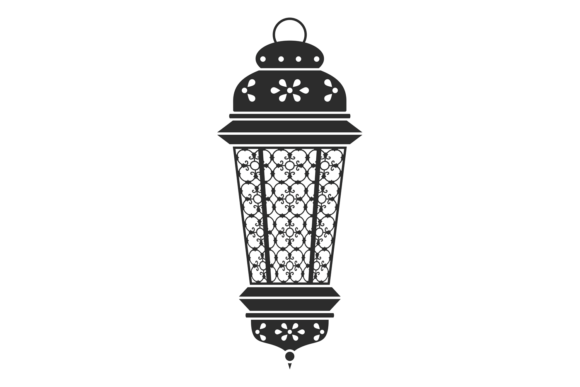
The Islamic Holiday Symbol delivers an immediate sense of celebration without feeling generic or overly ornate. Its Arabic decorative lantern icon evokes warmth, hospitality, and quiet reverence—ideal for brands that prioritize authenticity over trend-chasing. It reads as elegant yet approachable, handmade but polished, and festive without being loud. For a local coffee shop launching limited-edition date-cardamom lattes, or a children’s book publisher releasing a Ramadan story collection, this graphic design asset signals intentionality—not just seasonal decoration.
Where It Shines in Real Local Business Use
This isn’t clipart you drop into a Canva template and call it done. Used intentionally, the Islamic Holiday Symbol strengthens multiple touchpoints across small business branding:
- Product labels: Works beautifully on olive oil bottles, spice jars, or honey jars—adding cultural resonance without overwhelming ingredient lists.
- Packaging design: As a foil-stamped accent on kraft gift boxes or embossed on candle sleeves, it elevates shelf appeal while honoring tradition.
- Seasonal campaign visuals: Scales cleanly from Instagram Stories banners to printable posters for mosque pop-up markets.
- Thank-you cards & hang tags: Paired with soft serif typography, it adds sincerity to boutique purchases—think hijab shops or home decor stores.
- Social media graphics: The transparent PNG renders crisply on pastel backgrounds; the SVG holds detail in animated Reels intros.
- Menu graphics & price lists: At a halal food truck or family-run sweets stall, it subtly anchors seasonal offerings without distracting from pricing or descriptions.
How It Builds Trust—and Why That Matters Locally
In neighborhoods where cultural recognition is part of customer loyalty, using a respectful, well-executed symbol like the Islamic Holiday Symbol does more than decorate—it affirms. When a local skincare brand features it on their Eid gift set packaging, customers see care in curation, not just convenience. That translates to better product recognition, clearer visual hierarchy (the lantern becomes a consistent anchor across assets), and more consistent brand identity—all of which deepen trust. For handmade businesses especially, that perceived professionalism helps justify premium pricing and encourages repeat purchases.
Smart Placement: Where to Lean In—and Where to Step Back
This illustration excels when used as a decorative brand element, not a standalone logo. It works best in these contexts:
- Hero graphics for website banners or email headers
- Packaging accents—corner flourishes, lid seals, or ribbon motifs
- Seasonal product mockups (e.g., showing the symbol on a reusable tote or ceramic mug)
- Boutique visuals: window decals, shelf talkers, or greeting card suites
- Social media campaign graphics tied to Ramadan or Eid al-Fitr
Use it carefully—or avoid it—in these situations:
- Formal corporate branding (law firms, financial advisors)
- Very small labels where fine lantern details blur at under 12mm width
- Crowded packaging layouts—especially where text density competes for attention
- Ingredient-heavy formats (e.g., FDA-compliant food labels) where regulatory clarity must dominate
- Low-contrast backgrounds (light gray on white) that compromise PNG transparency
- Luxury minimalist brands relying on negative space—here, it can feel visually heavy
Practical Designer Notes You’ll Actually Use
Before committing to the Islamic Holiday Symbol in your next local business project, run these real-world checks:
- Test on real packaging mockups—not just digital previews. Print a 3x3 inch version on your actual label stock.
- Check black-and-white usage: Does the lantern retain legibility when converted to grayscale for monochrome printing?
- Preview on small labels: Zoom to 50%—does the intricate pattern hold or dissolve into noise?
- Test with your brand colors: Try it beside warm golds, deep indigos, earthy terracottas, and crisp whites.
- Compare with competitor packaging: Does it stand out respectfully—or blend into expected tropes?
- Review print quality: Request a physical proof if ordering bulk packaging—vector EPS files render best for foil stamping.
- Inspect SVG editability: Can you easily adjust stroke weight or simplify paths for cleaner small-scale use?
- Test typography pairings: Try it beside serif fonts (for elegance), sans serifs (for modern clarity), script fonts (for handmade warmth), and display fonts (for festive energy).
- Confirm commercial licensing: Ensure your license covers physical product sales, client work, and social media distribution—not just personal use.
More Than a Clipart Download—A Strategic Design Asset
The Islamic Holiday Symbol stands apart because it’s designed for real small business branding, not just editorial or web design. Its clean isolation on white background makes it adaptable across packaging design, marketing visuals, and digital product creation. Whether you’re a creative entrepreneur building a printable design suite, a social media manager crafting campaign assets, or a packaging designer refining a halal food label—you’re not just adding decoration. You’re reinforcing cultural alignment, supporting professional branding, and strengthening emotional connection through thoughtful visual language. In today’s crowded local marketplace, that kind of intentionality doesn’t just look good—it sells.