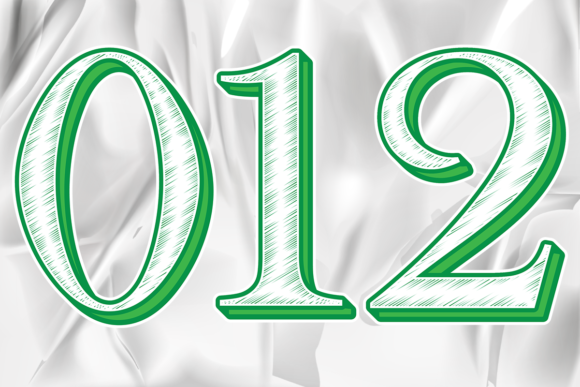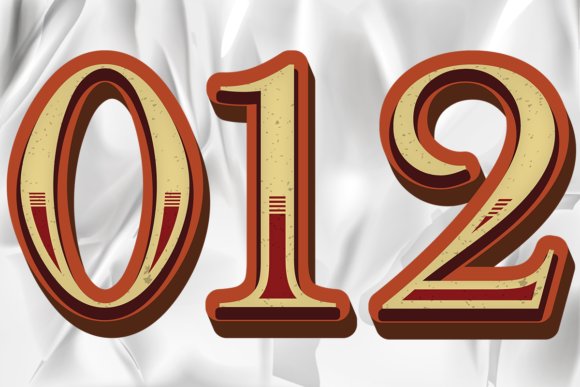
Numbers Vector Design Retro Color Style Graphics & Illustrations
As a handmade business designer who’s shipped over 12,000 custom mugs, planner stickers, and seasonal gift tags since 2018, I opened Numbers Vector Design Retro Color Style with one question: “Can I use this *today* for real customer orders — not just Pinterest boards?” The answer? Yes — but only after a few smart checks. Let me walk you through exactly how this graphic design asset fits (and sometimes challenges) real crafting workflows.
First Impressions: Playful, Bold, and Instantly Nostalgic
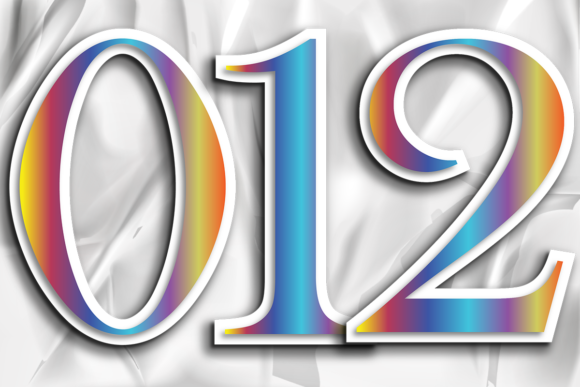
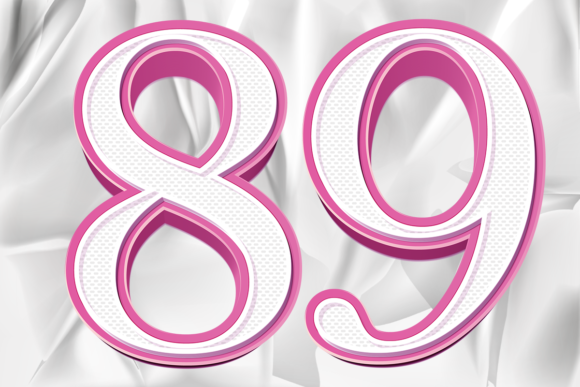
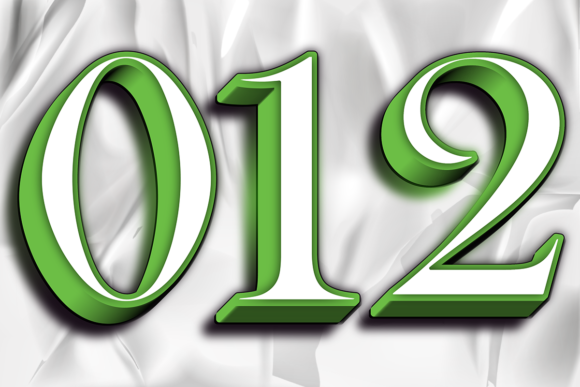
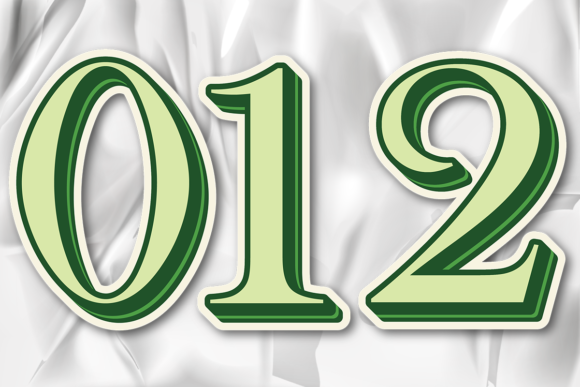
The moment I unzipped the folder, I felt that warm rush of mid-century charm — think vintage diner signage, retro birthday cards, and sun-faded enamelware. These aren’t minimalist numerals or sleek tech fonts. They’re decorative, slightly chunky, with hand-drawn texture, soft shadows, and saturated retro palettes (think burnt orange, avocado green, mustard yellow, and dusty rose). It’s playful without being childish, bold without feeling aggressive — perfect for handmade businesses targeting nostalgic millennials, small-batch gift shoppers, and boutique wedding clients.
This isn’t elegant calligraphy or rustic chalkboard style. It’s *festive*, *confident*, and *visually generous*. If your Etsy shop leans into joyful branding — think party favors, baby milestone blankets, or summer market tote bags — these numbers land like a smile in your product photos.
Where It Shines: Real Crafting Use Cases
I tested Numbers Vector Design Retro Color Style across six production channels — here’s where it delivered:
- Cricut & Silhouette projects: The EPS and SVG files imported cleanly into Design Space and Silhouette Studio. No jagged nodes or stray anchor points. I cut them flawlessly on premium vinyl for custom mugs and tumblers — especially at 2.5”–4” sizes. The bold outlines held up beautifully on matte black vinyl.
- Sticker design & printable planner pages: Used the transparent PNGs layered over kraft paper backgrounds in Canva. Printed on glossy sticker paper — no bleed, no halo. Perfect for “2025 Planner Kits” or “Milestone Age Stickers” (1st Birthday, 5th Grade Graduation, etc.).
- Mug design & tumbler wraps: Paired “7” and “24” with a simple script font to create “Est. 2024” mugs for a local coffee roaster’s launch. The retro color contrast popped on white ceramic and stood out even on pale sage-green tumblers.
- Gift tags & party decorations: Scaled “3” and “9” down to 1.25” for mini favor tags — printed on 110lb cardstock and punched clean corners. The decorative weight prevented thin-line breakage during die-cutting.
- Sublimation design: Resized the EPS to 300 DPI at final print size. Colors translated accurately on polyester coasters and ceramic tiles — no muddy blending or hue shift.
- Handmade packaging & small business branding: Added “2025” in the retro style to my custom tape seal and thank-you card footer. Instant cohesion — customers noticed the “vintage vibe” in DMs.
Where to Proceed With Care
This isn’t a one-size-fits-all clipart set — and that’s okay. Here’s where I paused and adjusted:
- Small sticker sizes (<1”): The inner details (like subtle crosshatching or fine shadow lines) blurred when scaled below 0.75”. For tiny enamel pin mockups or micro-labels, I simplified the shapes manually in Illustrator first.
- Layered vinyl projects: The retro shading creates implied depth — great for single-layer cuts, but tricky if stacking multiple colors. I avoided multi-layer Cricut projects unless using the flat-color versions (included in the bundle).
- Dark product backgrounds: Some lighter pastel variants (e.g., mint “5”) faded on navy fabric. Always preview your PNG over both white and dark mockups before listing.
- Crowded compositions: Placing “8” beside intricate floral borders caused visual competition. I used it solo or with ample negative space — never crammed into tight greeting card corners.
Practical Crafter Notes You’ll Actually Use
Before adding Numbers Vector Design Retro Color Style to your next Etsy product or craft fair lineup, do these five things:
- Test-cut one number on your actual vinyl or HTV — check for clean corners and consistent line weight. Not all “SVG” files behave the same in Cricut Design Space.
- Open the PNG in Photoshop or GIMP and zoom to 400% — confirm transparency is crisp (no gray halos) and edges are anti-aliased smoothly.
- Preview color accuracy by placing the EPS over a swatch library (Pantone Solid Coated or CMYK proof profile) — especially if ordering bulk prints through a local shop.
- Pair intentionally: These numbers love serif fonts (Playfair Display), friendly sans-serifs (Quicksand), or relaxed scripts (Caveat). Avoid ultra-thin or condensed typefaces — they clash with the retro weight.
- Verify commercial license terms — yes, this is a commercial design, but double-check if redistribution (e.g., in a digital product bundle) or print-on-demand platforms (Redbubble, Printify) are explicitly permitted. I always email the creator for written confirmation before launching an Etsy product.
Why This Belongs in Your Design Assets Toolkit
Most number clipart feels either clinical or cutesy. Numbers Vector Design Retro Color Style bridges that gap with warmth, versatility, and craftsmanship-level detail. It’s not just another illustration — it’s a mood, a season, a brand signature waiting to be applied. Whether you’re designing a limited-run “1974 Vintage Collection” for your handmade ceramics line or building a best-selling printable birthday kit, this set delivers personality *and* production reliability.
For Etsy sellers juggling 10+ product types, Silhouette users prepping for holiday markets, or creative entrepreneurs building cohesive small business branding — this is the kind of graphic design asset that saves time *and* elevates perceived value. Just remember: test, simplify where needed, and always — always — place it on a real mockup before hitting “publish.”