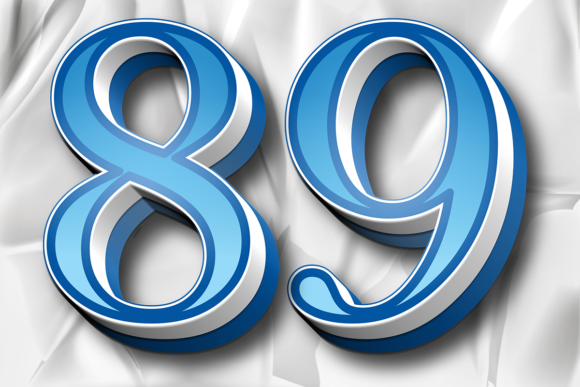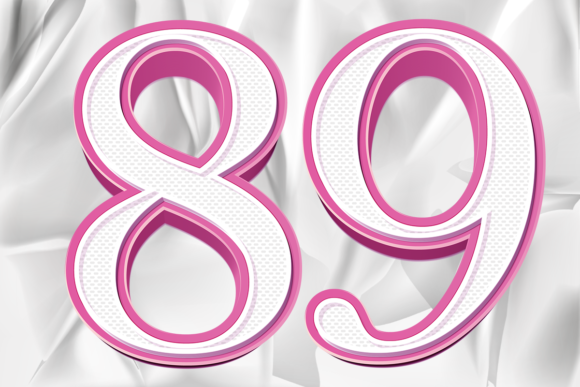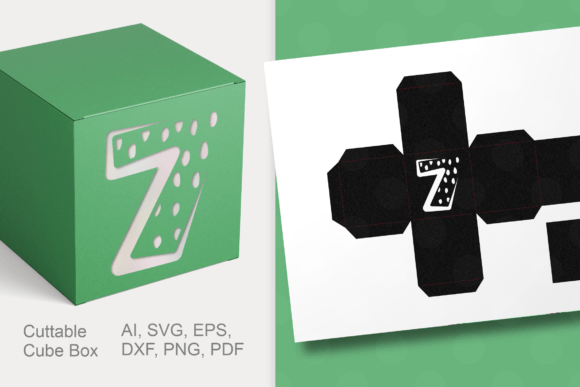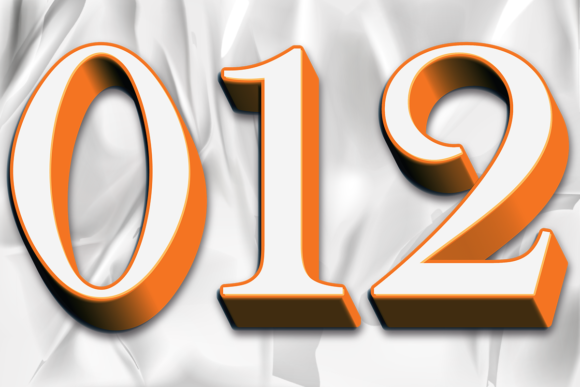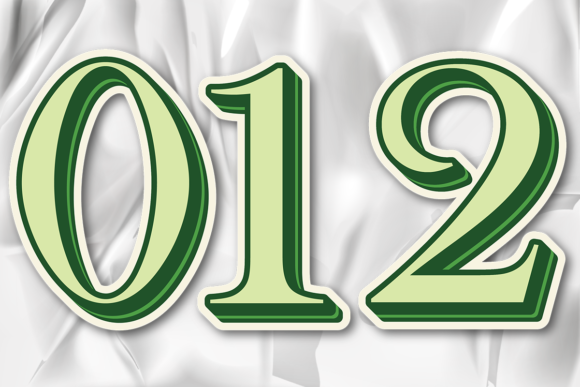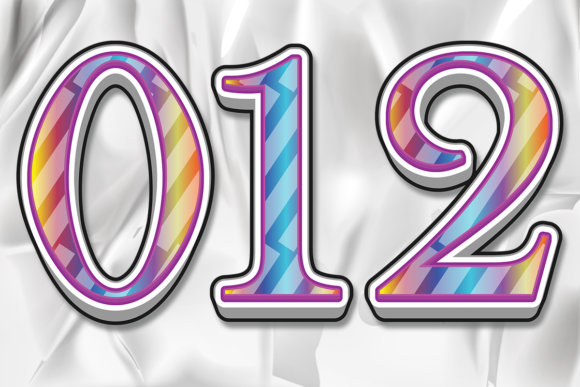
Set Number Transparent PNG and EPS File
A Designer’s First Glance: Charm with Quiet Confidence
Opening Set Number Transparent PNG and EPS File, I felt that familiar little lift—like spotting a well-cut font or a perfectly balanced motif. These aren’t just digits; they’re ten decorative numbers, each drawn with intention: subtle flourishes, consistent line weight, and breathing room between elements. No aggressive shadows, no over-rendered gradients—just clean, confident shapes that suggest hand-drawn charm without sacrificing scalability. It’s the kind of set that feels at home on a linen tea towel *and* a baby onesie, not because it shouts, but because it settles in gracefully.
Real Project Test: A Personalized Embroidered Tote for a Local Bakery
Last week, I used Set Number Transparent PNG and EPS File to embroider “2024” onto a natural canvas tote for a neighborhood bakery’s seasonal launch. The goal? A warm, handmade feel—not corporate, not childish, just quietly proud. I chose the number “4” for its elegant curve and paired it with a soft satin stitch border and light fill stitch center. On medium-weight canvas with tear-away + cutaway stabilizer, the result held crispness without stiffness. Customers paused to trace the shape with their fingers—not because it was flashy, but because it *felt considered*. That’s the quiet strength of this set: it supports storytelling, not distraction.
Where It Shines (and Where It Asks for Thought)
Set Number Transparent PNG and EPS File works beautifully across a range of embroidery projects—but context matters. It excels on:
- Custom apparel: Sweatshirts, crewnecks, and aprons where numbers add personality without overwhelming fabric texture.
- Baby embroidery: Gentle curves and open spacing make it ideal for onesies and burp cloths—no dense stitch clusters that irritate delicate skin.
- Patches & pillow covers: Clean outlines translate cleanly into satin-stitched edges; the transparent background means seamless layering in design software before digitizing.
- Holiday embroidery & wedding gifts: Use “1”, “8”, or “0” as standalone motifs on kitchen towels or napkin corners—minimalist, meaningful, and gift-ready.
- Etsy listings & small shop products: As design assets, these numbers scale effortlessly for printable mockups, digital product previews, and social media banners—no pixelation, no reworking.
Use With Care: Practical Embroidery Boundaries
This isn’t a one-size-fits-all embroidery file—and that’s honest, not limiting. Here’s where I pause before stitching:
- Small hoop sizes (under 4”): Some numbers (like “6” or “8”) have interior loops that may compress unpredictably below 3.5”. Always test stitch on scrap first.
- Stretchy or thin fabric: Light fill areas can shift. Add lightweight cutaway stabilizer—and avoid using the most intricate numbers on ribbed knits or jersey unless you’re experienced with underlay strategies.
- Dark fabric backgrounds: Because the original files are transparent PNGs and vector EPS, thread color contrast becomes your responsibility. A pale mint “3” may vanish on charcoal fleece unless you choose high-contrast thread or add an outline.
- Curved surfaces (caps, hats): Numbers with long verticals (“1”, “7”) or tight interior spaces (“9”, “0”) need careful placement and possibly reduced density to avoid puckering.
- Frequent-wash items: Avoid ultra-thin lines or tiny serif details if durability is key—opt instead for bolder numbers like “5” or “2” with generous stroke weight.
How It Shapes Perception—Beyond the Stitch
Using Set Number Transparent PNG and EPS File subtly elevates how customers read your work. On a personalized gift, it signals attention to detail—not just “I added a number,” but “I chose the right number, in the right style, for *this* person.” That builds trust. For craft businesses and Etsy sellers, consistency matters: pairing “2024” from this set with your own monogram or logo creates cohesive brand rhythm across listings, packaging, and social visuals. And because it’s offered as both PNG and EPS, it bridges digital and physical workflows—you can drop it into a mockup, tweak colors, then hand off the vector to your digitizer with zero guesswork.
Designer Notes You’ll Actually Use
Before stitching your first project with Set Number Transparent PNG and EPS File, do these five things:
- Test on scrap fabric—same type, same stabilizer, same thread count—as your final piece.
- Check thread color contrast in both black-and-white and color mockups. What reads clearly on screen may blur when stitched.
- Review stitch density in your embroidery software. If fill areas look overly heavy or sparse, adjust before hooping.
- Confirm hoop size compatibility. If your machine’s max hoop is 4”x4”, avoid placing “8” or “3” near the edge unless scaled down intentionally.
- Verify licensing before selling finished embroidered goods or reselling digital versions. Since this falls under Illustrations and Graphics, usage rights vary by seller—always double-check.
Final Thought: A Thoughtful Tool, Not a Shortcut
Set Number Transparent PNG and EPS File won’t replace your design judgment—but it respects it. It gives you ten distinct, well-proportioned numbers that behave predictably across embroidery contexts, from baby embroidery to boutique branding. It doesn’t promise “instant bestseller,” but it *does* promise clarity, flexibility, and quiet professionalism. Whether you’re stitching a single holiday embroidery gift or building a full line of custom apparel, this set earns its place in your toolkit—not as decoration, but as reliable, expressive design language.