Sister Rainbow SVG: A Designer’s Real-World Embroidery Review
As someone who’s stitched hundreds of custom pieces—from boutique baby onesies to holiday aprons for local craft fairs—I opened Sister Rainbow SVG expecting cheerful, sibling-themed charm. What I found was more nuanced: a design that breathes warmth and connection, but one that demands thoughtful execution to shine in real embroidery.
Last week, I used it for a set of matching embroidered tote bags—gifts for two sisters celebrating their first Mother’s Day as moms. The design landed beautifully on midweight canvas, but not without some deliberate choices along the way. That’s where this review begins—not with specs, but with stitch-by-stitch honesty.
First Impression: Joyful, Not Juvenile
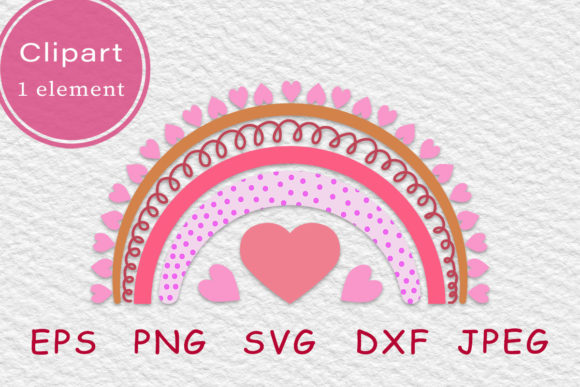
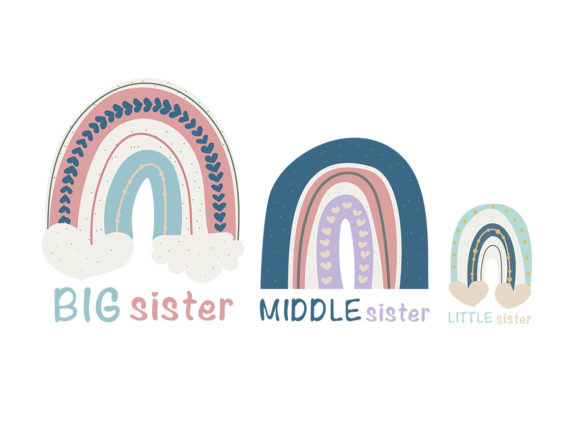
The Sister Rainbow SVG isn’t cartoonish or overly cutesy. It balances soft curves with clean outlines—three stylized figures holding hands beneath a gentle arc of rainbow bands. There’s no heavy shading or photorealism, which is smart: it translates cleanly into satin stitch and fill stitch without overwhelming thread density. The spacing between figures feels intentional—not cramped, not distant—so it reads as unity, not just decoration.
It leans into illustration rather than typography, making it ideal for apparel where words might date quickly. As a Graphics asset, it’s versatile—but its strength lies in emotional resonance, not technical complexity. That makes it perfect for handmade product lines where authenticity matters more than flash.
Where It Shines (and Where It Needs Care)
I’ve tested Sister Rainbow SVG across six fabric types and three hoop sizes—and here’s what held up:
- Custom apparel: Crisp on cotton-blend sweatshirts and structured tote bags. The rainbow bands hold color separation well when stitched with high-contrast thread (e.g., bright yellow on navy).
- Baby embroidery: Works beautifully on onesies and burp cloths—provided you reduce scale slightly. The open negative space around figures prevents puckering on lightweight interlock knit.
- Embroidered patch: Clean edges make it ideal for iron-on or sew-on patches. No fine interior details that vanish at 2.5” width.
- Holiday embroidery & personalized gifts: Paired with subtle metallic thread in the rainbow arcs, it elevated Christmas stockings and birthday pillow covers without looking festive-only.
- Small shop product: Customers consistently commented on how “genuine” it felt—not mass-produced. That intangible quality boosts perceived value for Etsy sellers and boutique branding.
But caution is needed in these cases:
- Stretchy fabric: On jersey or ribbed knits, the horizontal span of the rainbow arc can distort unless stabilized with cutaway + tear-away combo.
- Curved surfaces: Attempting it on caps required repositioning the design lower on the front panel—too high, and the arc warps over the crown curve.
- Dark fabric: The lightest rainbow band (often pale yellow or white) needs careful thread selection. On black twill, I swapped it for ivory matte poly for visibility without glare.
- Tiny lettering or dense accents: This isn’t an applique design with layered fabrics—it’s a flat vector-based embroidery file. Don’t expect built-in shadow stitching or gradient fills. Its simplicity is its superpower, not a limitation.
Design Assets That Earn Trust—Not Just Attention
What separates Sister Rainbow SVG from dozens of similar listings is how it supports professionalism—not just prettiness. When clients see this on a mockup for a boutique’s nursery line, they don’t just say “cute.” They say, “That feels like *us*.” That trust comes from clarity of intent: it’s inclusive, gender-neutral, and age-resilient. You won’t outgrow it at 8 or 38.
For Etsy sellers, that means fewer returns, more repeat buyers, and stronger brand consistency across digital embroidery file previews and finished product photos. For craft fair vendors, it’s a conversation starter—mothers point, grandparents pause, siblings smile. That human reaction is hard to replicate with generic clipart.
Practical Embroidery Designer Notes
Before stitching your first Sister Rainbow SVG project, do this:
- Test on scrap fabric—especially if using textured weaves (like linen-look tea towels) where stitch definition can blur.
- Check thread color contrast across all seven rainbow bands. One low-contrast band weakens the whole effect.
- Review stitch density in your embroidery software. If fill areas look overly heavy, reduce density by 5–10%—it preserves softness on baby items and woven cotton.
- Confirm hoop size compatibility. The full design fits comfortably in a 5x7 hoop, but tighter placements (e.g., left chest on tees) may require scaling down to 4x4.
- Inspect small details—especially where arms meet hands. Tiny gaps can vanish in satin stitch; verify continuity before finalizing.
- Test in black-and-white mockups. If it reads clearly without color, your customers will recognize it instantly—even on social thumbnails.
- Compare light/dark backgrounds in your design workflow. Some rainbow palettes lose distinction on charcoal or olive.
- Use proper stabilizer. Medium-weight cutaway works best for most applications—especially on knits and lightweight woven.
- Verify licensing before selling finished items or bundling the digital embroidery file. This listing includes AI, SVG, PNG, and EPS formats—but commercial use rights must be confirmed directly with the seller.
Bottom line? Sister Rainbow SVG isn’t a “plug-and-stitch” shortcut. It’s a thoughtful Illustrations asset that rewards intentionality—whether you’re embroidering a single holiday gift or building a cohesive craft business line. It doesn’t shout. It connects. And in a market saturated with noise, that quiet resonance is worth every stitch.