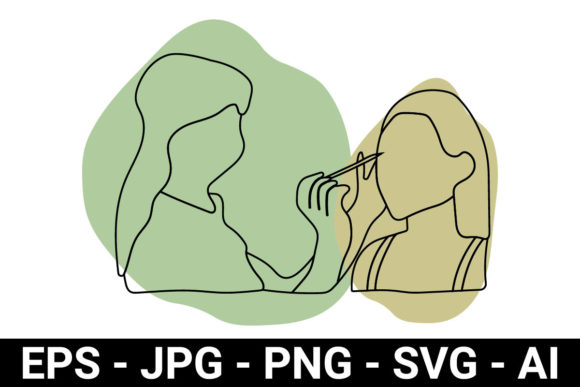
Makeup Artist Line Art Graphics & Illustrations
First Impression: Clean, Confident, and Quietly Sophisticated
Opening the Makeup Artist Line Art for Design ZIP folder felt like unboxing a curated toolkit—not cluttered, not overdesigned, but purpose-built. The line art carries a quiet confidence: precise strokes, balanced negative space, and intentional simplicity. It doesn’t scream; it invites. That’s rare in beauty-focused illustration, where many assets default to glitter, lashes, or exaggerated glamour. This set leans into professionalism—beautician, brush, model, cosmetic—without leaning on cliché. For brand owners launching a clean skincare line, a boutique makeup studio, or an online coaching program for aspiring artists, this graphic design asset immediately signals competence and calm authority. It supports lifestyle content and editorial design without undermining seriousness—and that’s its first strategic win.
Where It Earns Its Place in Real Campaigns
I recently used Makeup Artist Line Art for Design to refresh a small business’s seasonal campaign: a limited-edition refillable lipstick collection targeting eco-conscious Gen Z and millennial buyers. We needed visuals that felt elevated yet approachable—no stock-photo sterility, no chaotic clipart energy. The line art became our visual anchor: scaled across Instagram posts (SVG for crisp scaling), layered into Pinterest pins (PNG with transparent background), and embedded into Canva templates for email banners and blog graphics. Because the files include AI, EPS, and SVG, we adapted one brush-and-lipstick motif seamlessly into packaging accents and product labels—no pixelation, no rework. It strengthened visual hierarchy by guiding the eye *around* text—not competing with it. That consistency built audience trust faster than expected: followers began recognizing the motif across platforms, reinforcing brand identity without a single logo mention.
Marketing Uses That Shine
- Social media graphics: Works exceptionally well for Instagram carousels and Facebook ads—especially when paired with minimalist sans serif fonts and muted brand palettes.
- Pinterest and editorial design: The clean lines translate beautifully to vertical layouts, supporting storytelling around beauty routines, artist spotlights, or behind-the-scenes content marketing.
- Digital product and printable design: Ideal for lead magnets (e.g., “5 Makeup Artist Tips” checklist) or branded Canva templates sold to other creators.
- Packaging design and inserts: Used as subtle border elements or corner accents—adds polish without overwhelming product labels or ingredient lists.
- Web design and email banners: Scales flawlessly in hero sections and newsletter headers, reinforcing professional branding without slowing load time.
What This Graphic Design Asset Does for Your Brand Strategy
Makeup Artist Line Art for Design isn’t just decoration—it’s a consistency multiplier. In a world where fragmented visuals dilute recognition, this illustration helps unify tone across touchpoints. It improves first impression by replacing generic stock imagery with intentional, ownable creative design. It boosts audience trust because precision in line work subconsciously signals care and expertise—critical for service-based brands like makeup artists or beauty coaches. And because it’s versatile across formats (JPG, PNG, SVG, AI, EPS), it supports stronger recognition whether viewed on mobile, desktop, or printed merch. For small business branding, that flexibility is gold: one asset powers social posts, digital ads, print flyers, and even sticker sheets—all under a single commercial license.
Best Fit Scenarios
This set thrives in hero graphics, campaign headers, and branded templates. It elevates product launch visuals when placed beside clean typography and ample whitespace. As a decorative brand element, it adds warmth to content bundles and promotional banners—think “Spring Glow Guide” PDFs or “Artist Toolkit” digital downloads. It also works subtly in editorial layouts, framing quotes or tips without distracting from the message.
Use With Intention—Not Everywhere
That said, Makeup Artist Line Art for Design shouldn’t be forced into every layout. Avoid it in formal corporate branding (e.g., law firm collateral), dense information layouts (like comparison tables), or text-heavy ads where clarity trumps aesthetic. It can get lost on low-contrast backgrounds or feel out of place in overly minimal brands that rely solely on typography. And while scalable, test readability at small sizes—some delicate strokes may blur in mobile app icons or favicon use.
Practical Brand Designer Notes You’ll Actually Use
Before committing to a campaign, I always run these checks:
- Test with your brand color palette: Try the black line art over your primary and secondary colors—does it pop or disappear?
- Check black and white usage: Print a sample. Does the line weight hold up in grayscale for invoices or press kits?
- Place inside real mockups: Drop it into a packaging template or Instagram Story frame—see how spacing and balance feel in context.
- Preview on mobile screens: Zoom out. Does the detail remain legible at ⅓ size?
- Compare against competitor visuals: Does it differentiate—or blend in too much?
- Pair with fonts: Try it beside serif (e.g., Playfair), sans serif (e.g., Inter), script (e.g., Pacifico), and display fonts. Note which combinations feel cohesive vs. jarring.
- Confirm commercial licensing: Especially critical if using in client work, paid digital ads, or resale products like printable design bundles.
Why Creative Entrepreneurs Keep Coming Back to This Set
In the creative marketplace, value isn’t just about quantity—it’s about relevance, reliability, and reuse. Makeup Artist Line Art for Design delivers all three. It’s not a trend-chasing clipart pack. It’s a thoughtful, modern design tool built for longevity—supporting everything from a solo beauty coach’s media kit to a digital product seller’s Canva template library. Whether you’re building a visual language from scratch or refining an existing brand identity, this illustration quietly lifts the professionalism of every piece it touches. For marketers, designers, and small business owners who know that strong visual hierarchy starts with smart, intentional design assets—this isn’t just another download. It’s a strategic advantage, zip-file delivered.